Explore Lands for Sale
Showing 3 land for sale

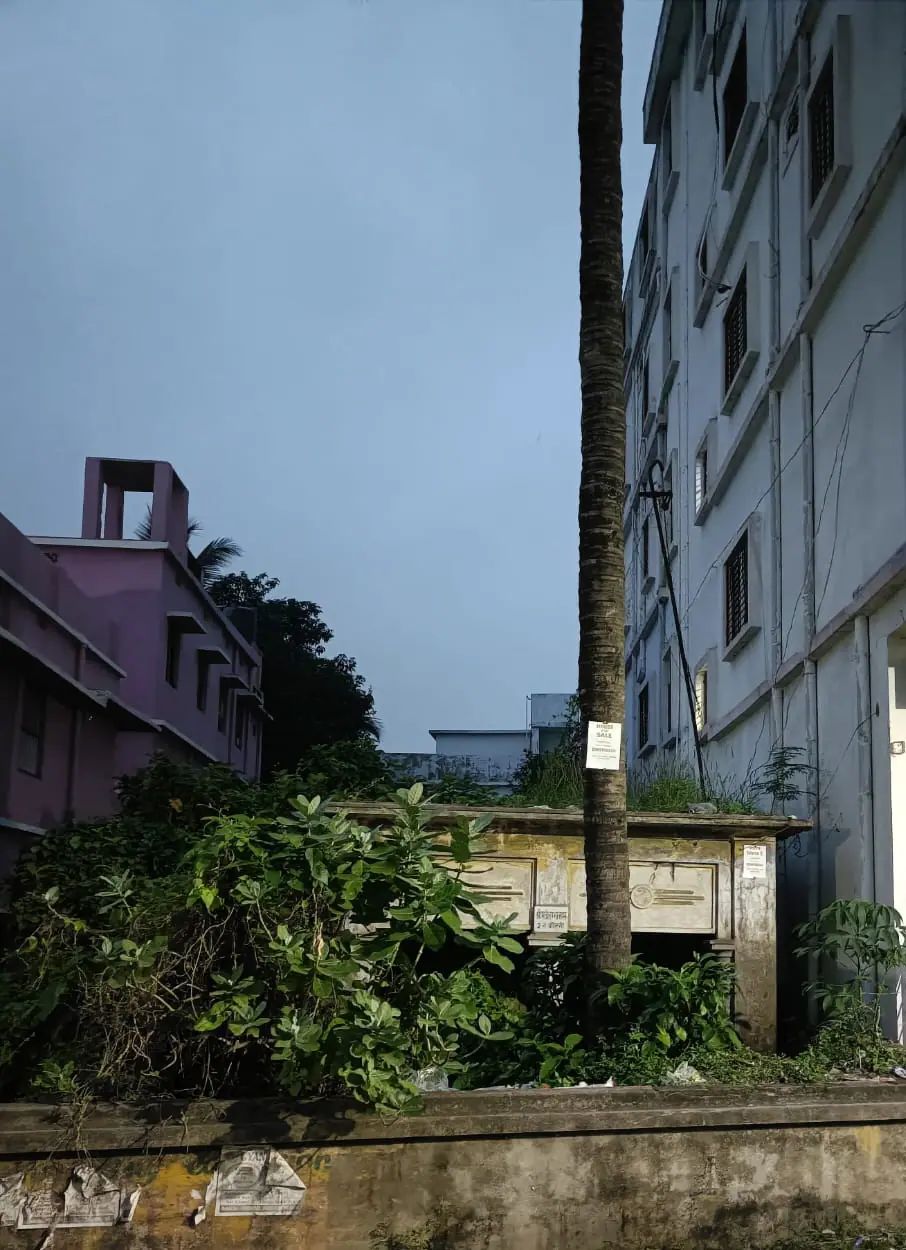
2 Kattha Residential Plot for Sale in Katihar

House for Sell in Prime Location

Discover verified residential, commercial, and agricultural lands across India. From urban plots to serene countryside, find your ideal investment opportunity.
Showing 3 land for sale


Everything you need to know about buying and selling land on SSEVI
The SSEVI Land Buy Sell section is a specialized real estate marketplace where users can buy, sell, and search for land and plots across India. You can find a wide variety of land types including residential plots for building your dream home, agricultural land and farmland for cultivation, commercial land for shops, offices, and business purposes, industrial land for factories and manufacturing units, NA or Non Agricultural plots that are approved for construction, DTCP and RERA approved layout plots, farmhouses and weekend retreat land, investment grade land in developing areas, and open plots in gated communities. Whether you are an individual looking to build a home, a farmer seeking agricultural land, an investor planning for long term appreciation, or a business needing commercial space, the SSEVI Land Buy Sell section connects you directly with sellers without intermediaries.
Listing your land for sale on SSEVI is straightforward and free. Log in to your account and navigate to the Land Buy Sell section. Click on Post Listing and upload clear photos of the land including views from different angles, surrounding areas, approach roads, any existing structures, and nearby landmarks. Fill in all essential details accurately including the plot area in square feet, square yards, or acres, exact location with village, taluk, district, and state, land type such as residential, agricultural, commercial, industrial, survey number and plot number if applicable, whether the land is NA or converted, DTCP or RERA approval status if applicable, your asking price and whether it is negotiable, dimensions and facing direction of the plot, availability of electricity, water connection, and drainage, approach road type and width, distance from main road, nearest town or city, and any loans or legal encumbrances on the property. Write a detailed description mentioning nearby facilities like schools, hospitals, markets, bus stops, railway stations, and future development plans in the area. Provide your contact information for direct inquiries. Review and publish to make your listing visible to thousands of potential buyers.

Yes, basic land buying and selling on SSEVI is completely free. Land owners can list their plots and properties for sale without any charges. Buyers can browse all land listings, search by location, land type, and budget, view photos and details, and contact sellers directly without paying any platform fees or brokerage charges. We believe in making land transactions accessible to everyone. For sellers who want maximum exposure and faster sales, we offer optional premium featured listing plans. Featured listings appear prominently at the top of search results, receive a highlighted badge, get displayed on the homepage, and typically attract significantly more inquiries from serious buyers. Details about premium plans can be found on our Pricing page. The basic free plan is sufficient for most sellers to reach potential buyers.
Verifying land documents thoroughly is critical as land purchases involve significant investment and legal complexity. The title deed is the primary document that establishes the seller's ownership of the land. Obtain and verify the original sale deed and trace the chain of ownership. The encumbrance certificate for the past 30 years should be obtained from the sub registrar office to ensure there are no pending loans, mortgages, or legal disputes on the land. The 7/12 extract or Record of Rights document shows current ownership and cultivation details for agricultural land. The survey sketch and map show the exact boundaries and dimensions of the plot. Verify the land use classification in the local development plan to confirm it matches your intended use. Check the NA or conversion order if the land was originally agricultural. DTCP or RERA approval for layout plots should be verified. Khata certificate and tax paid receipts prove that property taxes are up to date. Encroachment or acquisition notifications must be checked. We strongly recommend hiring an experienced property lawyer to conduct complete due diligence before purchasing any land.
NA stands for Non Agricultural land. In India, all land is originally classified as agricultural by default. If you want to use agricultural land for residential, commercial, or industrial purposes, the land must be officially converted to NA status by paying a conversion fee to the local government authority. NA land is important for several reasons. You can legally construct a house, building, or factory only on NA land. Banks and financial institutions provide home loans and construction loans only for NA land. NA land has clear title and approved land use making it safer to buy. It typically appreciates faster in value compared to agricultural land. Utility connections like electricity and water are easier to obtain. When buying a plot for construction, always verify that the land is NA. If buying agricultural land, factor in the time and cost of NA conversion. Some sellers may offer to handle the conversion as part of the deal. Always get legal confirmation of NA status before making payment.
DTCP and RERA are two important approvals for plotted developments. DTCP stands for Directorate of Town and Country Planning, a state government body that approves residential layout developments. DTCP approval ensures that the layout meets planning norms for road width, open spaces, plot sizes, and basic amenities. DTCP approved plots are legally safe to purchase and build upon. RERA stands for Real Estate Regulatory Authority, a central legislation that applies to plotted developments where the total area exceeds 500 square meters or the number of plots exceeds eight. RERA registration provides additional protection to buyers including mandatory disclosure of project details, timelines, and escrow account requirements where the developer must deposit 70 percent of collections. RERA approved plots come with greater transparency and buyer protection. A plot can be both DTCP and RERA approved. When buying in a layout, check for both approvals. DTCP ensures planning compliance while RERA adds a layer of financial and timeline protection.
Determining the fair market value of land requires research and analysis. Start by checking the government guideline value or circle rate for the area as published by the state registration department. This is the minimum value at which property can be registered. However, actual market prices are often higher. Research recent land sale transactions in the same area by checking the sub registrar office records or online portals that track property registrations. Compare with similar plots listed on SSEVI and other platforms in terms of size, location, and approval status. Consider location factors such as distance from main road, proximity to upcoming infrastructure projects like highways, airports, metro stations, and IT parks, and the overall development trajectory of the area. Corner plots and plots facing main roads command premium prices. Check if the plot has clear title and all approvals as issues reduce value. Consult with local real estate agents for their opinion on prevailing rates. You can also hire a government approved valuer for a professional valuation report. Use all these data points to determine a fair price and negotiate effectively with the seller.
Yes, most banks and financial institutions in India offer loans for land purchase, though terms vary based on the type of land. For residential NA plots, banks typically provide loans covering 70 to 80 percent of the plot value. The loan tenure can range from 10 to 15 years. Interest rates are similar to home loans. For agricultural land, loans are available through banks and cooperative societies but the loan to value ratio may be lower. Commercial and industrial land loans are also available with specific terms. To get a land loan approved, the land must have clear title and the seller must have proper documentation. The bank will conduct its own legal and technical verification before approving the loan. You will need to submit income proof, identity documents, and the land documents. Some banks require you to start construction within a specified period after purchasing the plot. Getting a loan pre approval before searching for land helps you know your budget and shows sellers that you are a serious buyer. Check with multiple banks for the best interest rates and terms.
Land purchases carry certain risks that must be carefully managed. Title disputes are a major risk where multiple parties may claim ownership. Protect yourself by conducting thorough title search going back at least 30 years through a qualified lawyer. Encroachment by neighbors or third parties is another risk. Physically survey the plot and verify boundaries with the survey sketch. Litigation risk exists if the land is involved in court cases. Check the encumbrance certificate and court records. Acquisition risk arises if the government has notified the land for infrastructure projects. Check with local development authorities. Zoning risk occurs if the land use does not match your intended purpose. Verify the master plan and zoning regulations. Fraud risk from fake sellers or duplicate documents. Always deal with the registered owner and verify their identity. To protect yourself, always hire an experienced property lawyer, never skip due diligence even if pressured, be suspicious of deals that seem too good to be true, get all verbal promises in writing, and make payments through banking channels with proper documentation. The time and money spent on due diligence is a small price for peace of mind.
Land transactions in India have several tax implications for both buyers and sellers. When buying land, you must pay stamp duty which is a state government tax ranging from 5 to 8 percent of the transaction value depending on the state. Registration charges of approximately 1 percent are also payable. These are one time costs at the time of purchase. When selling land, the seller is liable for capital gains tax. If the land is sold within 24 months of purchase, short term capital gains tax applies and the profit is added to the seller's income and taxed at their income tax slab rate. If the land is sold after 24 months, long term capital gains tax applies at 20 percent with indexation benefit which adjusts the purchase price for inflation. Sellers can save on long term capital gains tax by investing the profit in specified bonds under Section 54EC or by purchasing another residential property under Section 54F. Buyers must deduct 1 percent TDS on transactions exceeding 50 lakhs rupees under Section 194IA and deposit it with the government. Both parties should report the transaction in their income tax returns. We recommend consulting a tax professional for personalized advice based on your specific situation.
Stay updated with our newest content
Join thousands of successful users who found their perfect match on SSEVI. Start your journey today and unlock endless opportunities.